Rising Damp
Ground moisture moving through porous masonry where an effective DPC is missing, failed or bypassed. Possible signs include low-level salts, deteriorated plaster and skirting damage.
Rising damp treatment →
How to recognise moisture problems, understand likely causes and choose a repair that addresses the building defect—not just the visible stain.
Call 07984 712 428Identify the Damp TypeWimbledon Service PageDamp is a symptom, not a single diagnosis. In Wimbledon properties, moisture can come from the ground, rainfall, plumbing defects, condensation or construction details that allow an existing damp-proof course to be bypassed.
Installing a new DPC will not repair a leaking gutter, and redecorating will not prevent moisture returning through salt-contaminated plaster. A suitable survey considers the moisture pattern, wall construction, external levels, rainwater goods, ventilation, plumbing and previous alterations.
Victorian and Edwardian masonry, later extensions, rendered elevations, solid floors, replacement patios and converted buildings can each create different moisture pathways. The correct repair depends on the specific property and defect.
How a Damp Survey WorksGround moisture moving through porous masonry where an effective DPC is missing, failed or bypassed. Possible signs include low-level salts, deteriorated plaster and skirting damage.
Rising damp treatment →Paths, patios, soil, render or internal floor details can bridge the DPC and allow moisture to affect the wall above it.
High-ground-level solutions →Rainwater may enter through defective pointing, cracked render, failed seals, roofs, gutters or other external defects. Symptoms often worsen after wet weather.
Request an inspection →Warm humid air condenses on cold surfaces, particularly where ventilation, heating or insulation is inadequate. Black mould commonly forms around cold bridges.
Discuss condensation →Basements and retaining walls may need a designed waterproofing approach suited to the structure and intended use.
Waterproofing systems →Persistent moisture and poor subfloor airflow can contribute to fungal decay in joists, boards and embedded timber.
Timber treatment and repair →Establish when the damp appeared, whether it changes with rainfall or occupancy, and which previous repairs have been attempted.
Review moisture patterns, plaster condition, salts, plumbing risks, rainwater goods, masonry, DPC position, external ground levels and subfloor ventilation.
Address the likely moisture pathway and affected materials, then define any DPC, drainage, waterproofing, timber or plaster work required.
The price depends on the cause, wall length and thickness, access, removal of fixtures, the amount of contaminated plaster, waterproofing requirements, timber repairs and final finishes. A short DPC repair differs substantially from a room requiring wall treatment, membrane work and floor-timber replacement.
A written specification following inspection is more useful than a generic price per metre because it identifies what is—and is not—included.
These existing project pages show different repair combinations rather than presenting every damp problem as identical.
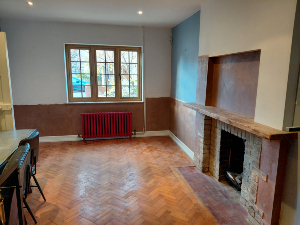
DPC injection, external drainage improvement and Newton damp-proof membrane installation.
View Case Study 1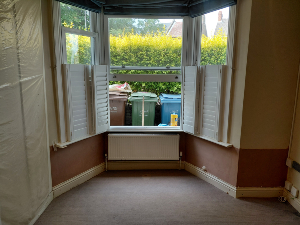
A coordinated repair addressing damp plaster, the DPC detail, ventilation and local timber deterioration.
View Case Study 2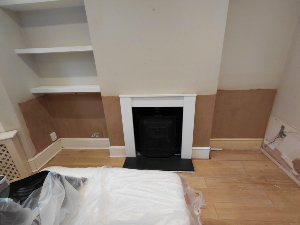
Survey-led DPC treatment followed by salt-resistant rendering and a clean plaster finish.
View Case Study 3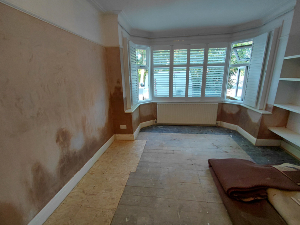
DPC work combined with removal of decayed material and replacement of affected floor joists.
View Case Study 4
Correction of a bridged DPC detail with waterproof tanking and an improved telescopic airbrick.
View Case Study 5The map shows Atruss Preservation at 42a Beeches Avenue, Carshalton. Follow the Google link to see the current customer reviews and business information.
Damp Proofing & Property Preservation Specialists
42a Beeches Avenue
Carshalton
Surrey SM5 3LW
Telephone: 07984 712 428
Email: sales@atruss.co.uk
The location and pattern of moisture provide clues, but rising damp, penetrating damp, leaks, condensation and bridged damp-proof courses can overlap. The wall construction, external defects, ground levels, ventilation and moisture pattern should be assessed before treatment.
Possible signs include low-level tide marks, hygroscopic salt deposits, peeling finishes, deteriorating plaster and damaged skirting. These symptoms are not conclusive on their own, so diagnosis remains important.
Raised paths, patios, soil, flower beds or render can bridge an existing damp-proof course and allow moisture to affect the base of a wall.
Where plaster has deteriorated or become contaminated with moisture-attracting salts, the repair specification may include removal and reinstatement with an appropriate render or plaster system.
Yes. Coverage includes Wimbledon, South Wimbledon, Wimbledon Village, Wimbledon Park and surrounding districts such as Raynes Park, Merton and Colliers Wood.
Contact Atruss Preservation about rising damp, a defective or bridged DPC, waterproofing, timber decay or damaged plaster in Wimbledon SW19.
Call 07984 712 428Send an Enquiry