1. Identify the moisture source
Assess moisture patterns, wall construction, external ground levels and drainage. Rule out plumbing leaks, rain penetration and condensation, and check for bridging of an existing DPC.

A completed Atruss Preservation project at an end-of-terrace house suffering from rising damp. Explore the project photographs and understand the principles behind treating damp walls.
This case study records a completed rising damp project in Colliers Wood, carried out by Atruss Preservation. The end-of-terrace property required attention to damp-affected walls.
With an exposed end wall, inspection should consider rain penetration alongside low-level moisture, ground levels and the condition of any existing damp-proof course. Correct diagnosis determines which repairs are appropriate.
Our Colliers Wood damp-proofing service also covers nearby SW17 properties and the wider Merton area.
The appropriate specification depends on the property. The following explains common treatment principles; individual products and installation details should be confirmed in the written specification.
Assess moisture patterns, wall construction, external ground levels and drainage. Rule out plumbing leaks, rain penetration and condensation, and check for bridging of an existing DPC.
Where a missing or ineffective DPC is established and construction is suitable, a remedial damp-proof course may be specified. Injection depth, spacing and application must follow the selected system and wall construction.
Remove defective or salt-contaminated plaster to the specified extent, prepare the masonry and reinstate with a suitable render and plaster system. Allow curing and drying before decoration.
Porous masonry can draw ground moisture upwards by capillary action. Water may carry soluble salts into the wall finish; when it evaporates, salts remain. Some salts attract moisture from humid air, contributing to persistent damage or elevated electrical readings.
Covering the affected surface does not remove the moisture source. Treatment should address the diagnosed cause and the condition of the finishes together. Drying time varies with wall thickness, materials, ventilation and the original moisture load.
Read more about rising damp treatment or explore our completed damp-proofing case studies.
Photographs are arranged by filename date. Select an image to open it at full size.
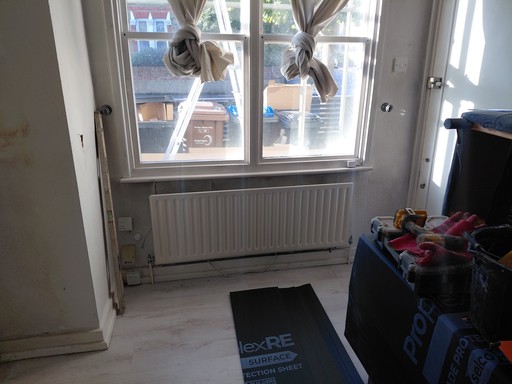
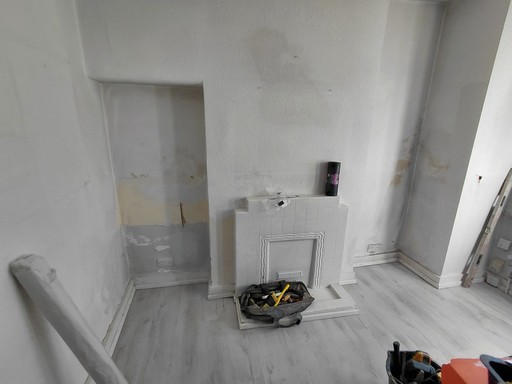
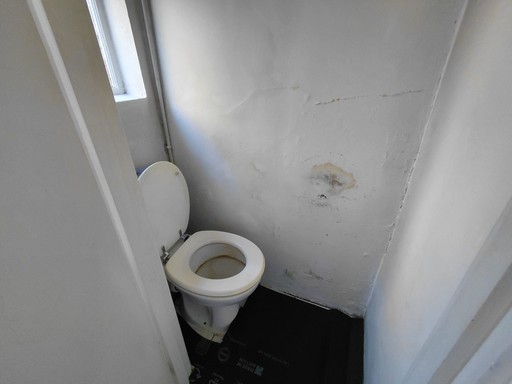
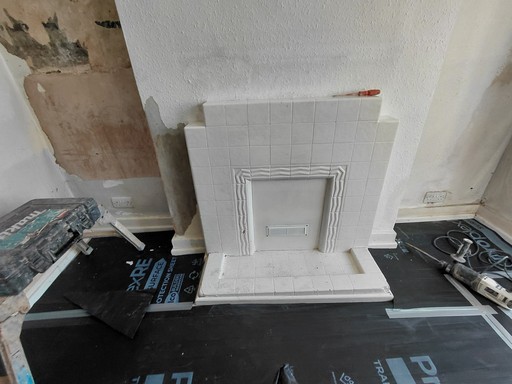
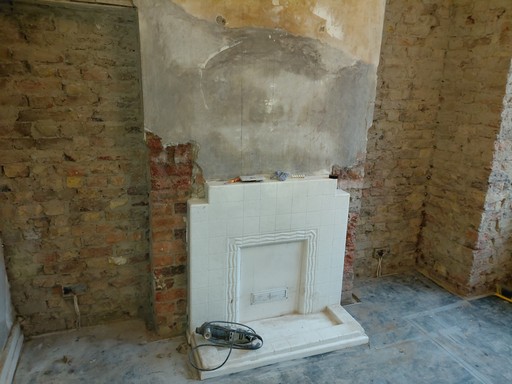
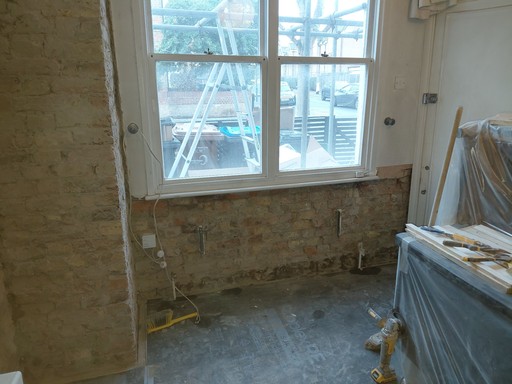
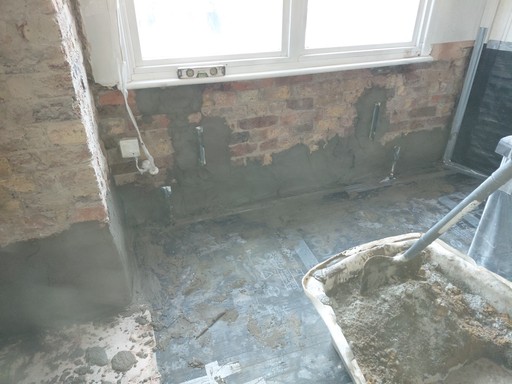
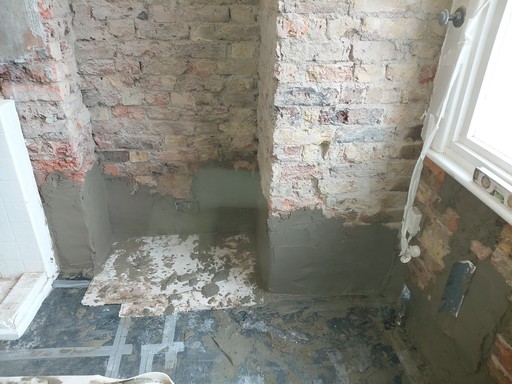
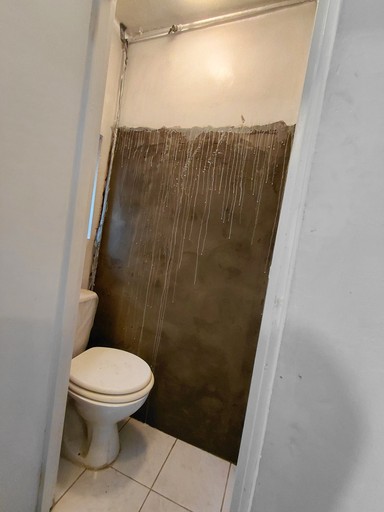
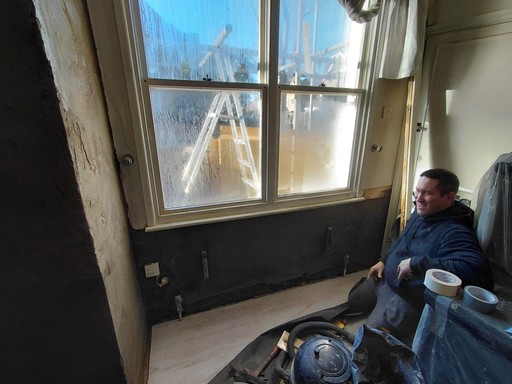
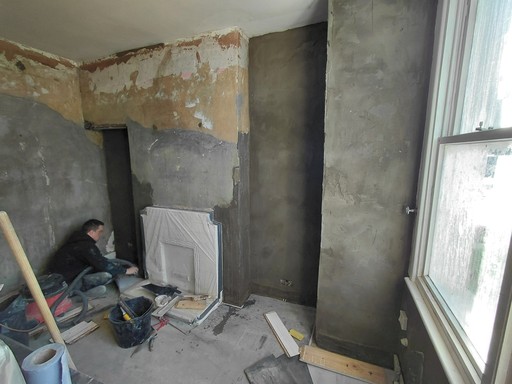
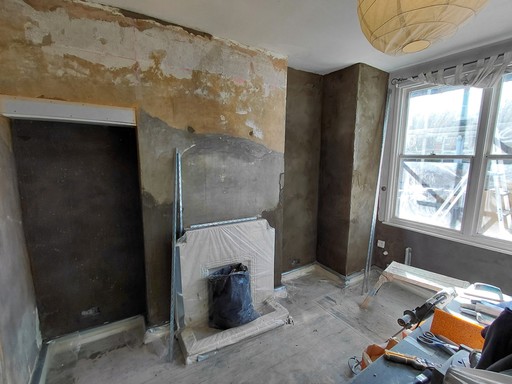
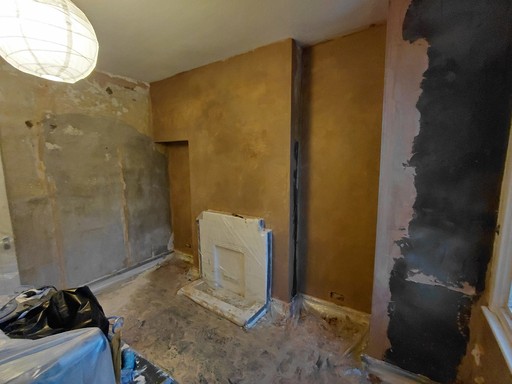
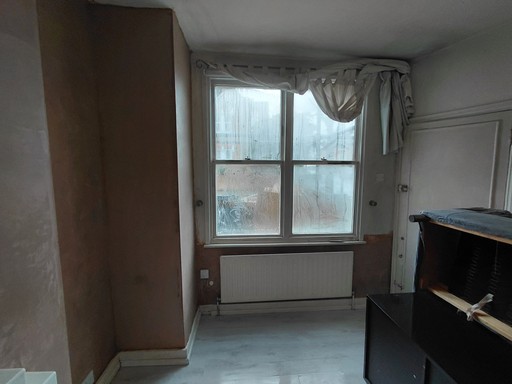
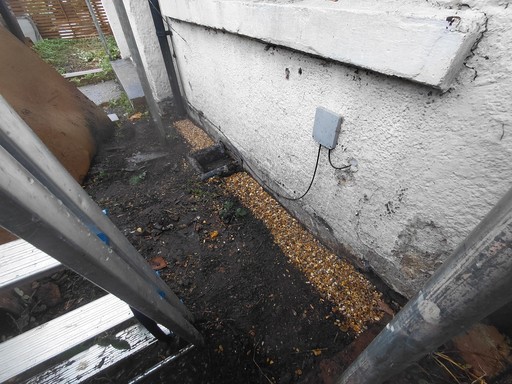
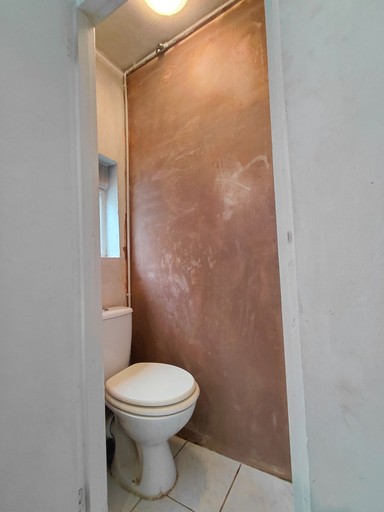
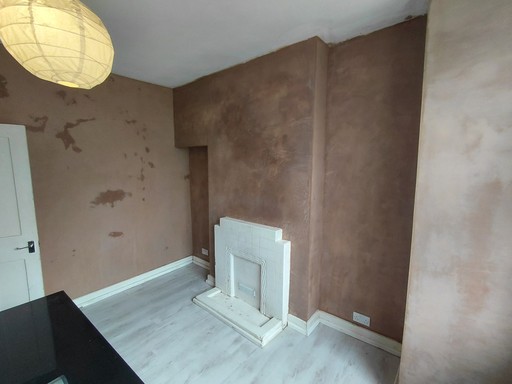
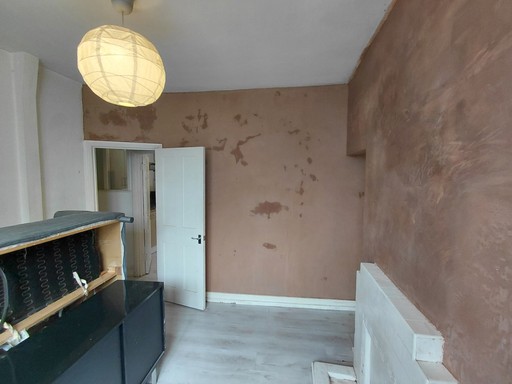
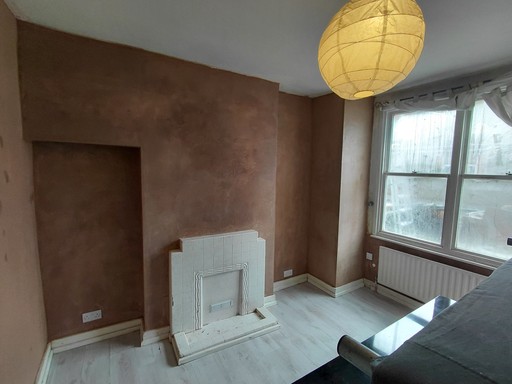
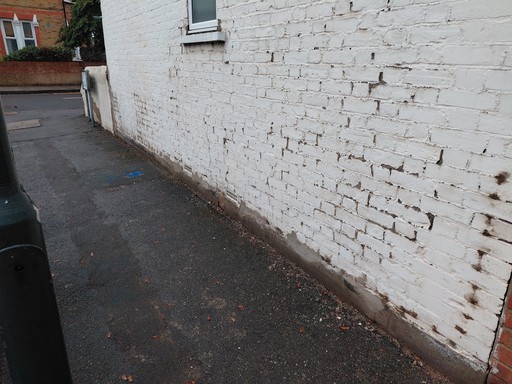
The rising damp project at this end-of-terrace home is complete. Any newly applied finishes should be allowed to cure and dry in accordance with the repair specification before decorating. Completion of the work is distinct from confirming long-term moisture performance.
42a Beeches Avenue
Carshalton, Surrey SM5 3LW
Serving Colliers Wood, Merton, South West London and Surrey. The map shows our business location.
Read current customer feedback and ratings on our Google business listing.
Read reviews on GoogleInspect the building and moisture pattern, external ground levels, drainage, rainwater goods and plumbing. Electrical moisture-meter readings alone do not prove rising damp; salts and materials can influence them.
No. A new DPC is appropriate only where investigation supports it and the wall construction is suitable. Bridging, leaks and penetrating rainwater need their own repairs.
Deteriorated or salt-contaminated plaster may remain unsuitable even after the water source is controlled. Removal and replacement should follow the survey findings and the specified repair system.
Follow the curing, drying and decorating guidance for the specified materials. A finished plaster surface does not demonstrate that the underlying masonry has fully dried.
Contact Atruss Preservation to discuss your Colliers Wood or SW17 property.