Inspect the wall and investigate the cause
Review the damp pattern, masonry, existing damp-proof course, external ground levels and nearby plumbing or rainwater details. This helps distinguish rising damp from other sources of moisture.

A practical look at the remedial process: removing defective render back to bare brickwork, installing a new damp-proof course and reinstating the wall with suitable plaster finishes.
This Tooting SW17 case study follows the main stages of a rising damp repair. The aim is to remove unsound, contaminated finishes, address moisture travelling through the masonry with an appropriate damp-proof course, and rebuild the wall surface with compatible materials.
Before work begins, the visible symptoms and surrounding construction need to be checked. High external ground levels, a bridged or defective existing DPC, plumbing leaks and penetrating moisture can create similar marks. Identifying the likely source helps ensure the proposed treatment fits the property.
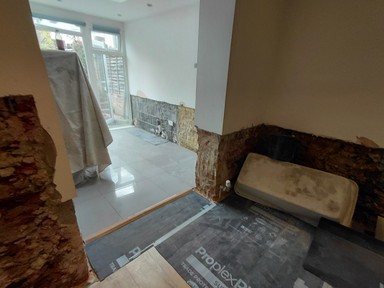
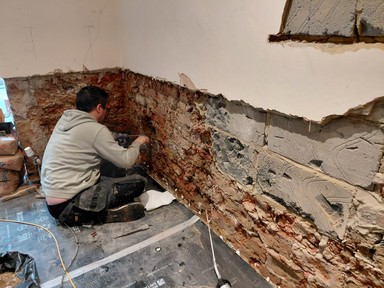
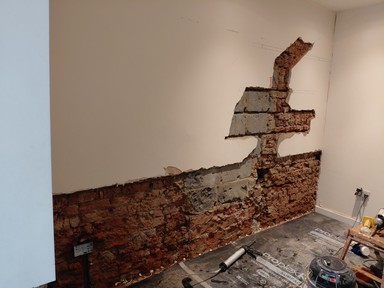
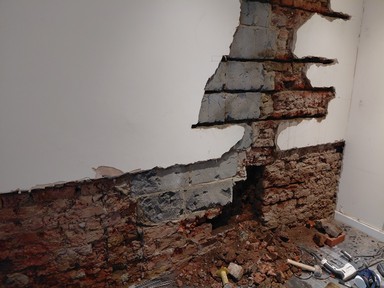
The photographs below show the project stages. The treatment specification and the extent of render or plaster removal should be set for the property after inspection; this page does not assume that every wall needs the same height of removal or the same DPC system.
A good repair treats the moisture pathway and the damaged finish as connected parts of the job. These are the key stages used to plan and complete remedial work in a Tooting home.
Review the damp pattern, masonry, existing damp-proof course, external ground levels and nearby plumbing or rainwater details. This helps distinguish rising damp from other sources of moisture.
Remove loose, hollow or salt-affected render and plaster from the affected area until sound masonry is exposed. The removal height is guided by the inspection and the selected replastering system.
Where the survey supports remedial DPC work, install a new damp-proof course at a suitable level using a method compatible with the wall construction. Any bridging or external moisture source should also be dealt with.
Prepare the masonry and reinstate the wall with the specified render and plaster system. A suitable salt-resistant finish can help limit residual salts affecting the new surface.
Fresh plaster and masonry need time to dry. Drying varies with wall thickness, ventilation, season and the materials used, so decoration should follow the system guidance rather than a fixed date.
Why the diagnosis matters: a damp meter reading on its own does not confirm rising damp. Moisture patterns, salts, wall construction and external conditions should all be considered before choosing a treatment.
Browse all 20 photographs from the Tooting case study folder. Select a photo to view it at its available image size.
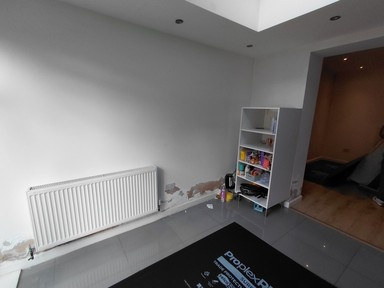 Tooting project photograph 1
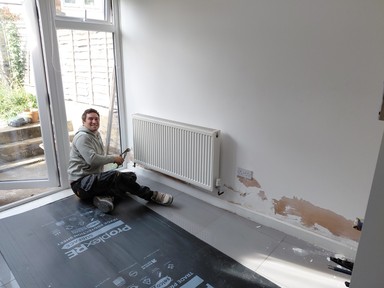 Tooting project photograph 2
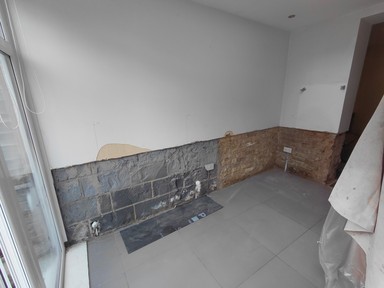 Tooting project photograph 3
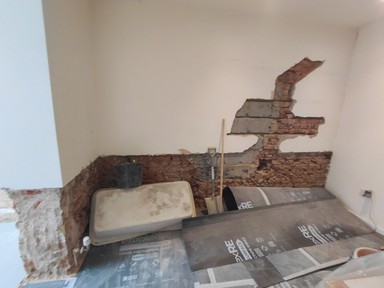 Tooting project photograph 4
 Tooting project photograph 5
 Tooting project photograph 6
 Tooting project photograph 7
 Tooting project photograph 8
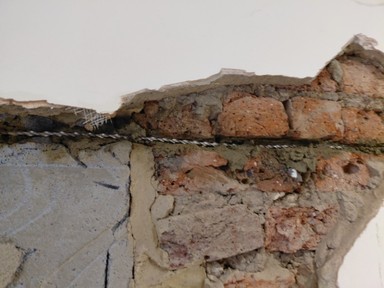 Tooting project photograph 9
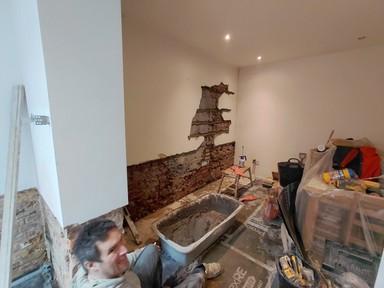 Tooting project photograph 10
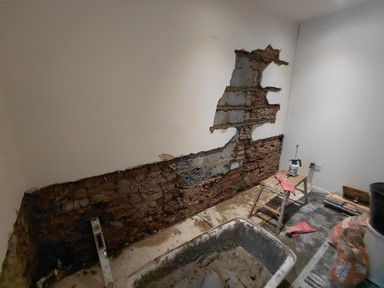 Tooting project photograph 11
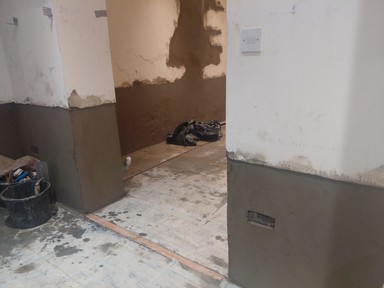 Tooting project photograph 12
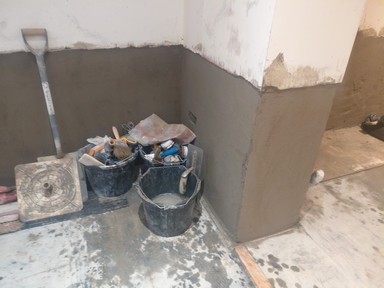 Tooting project photograph 13
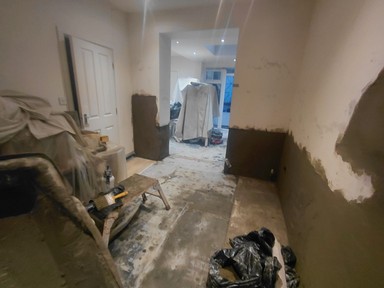 Tooting project photograph 14
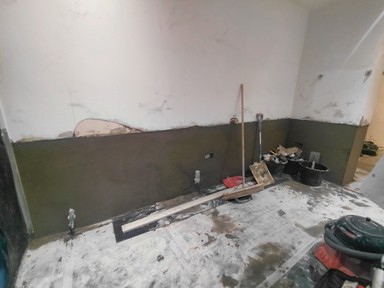 Tooting project photograph 15
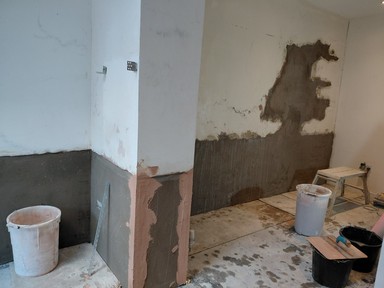 Tooting project photograph 16
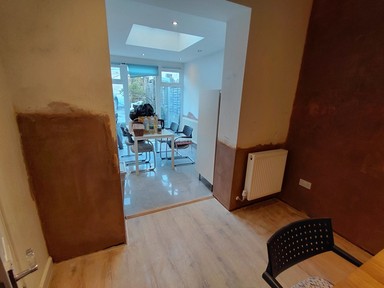 Tooting project photograph 17
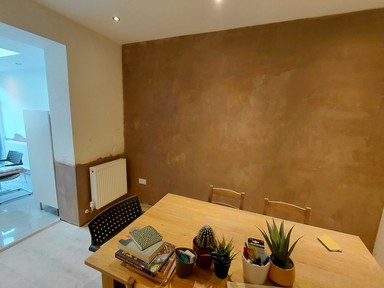 Tooting project photograph 18
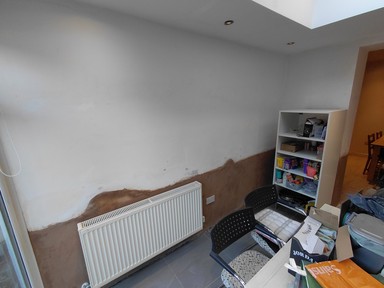 Tooting project photograph 19
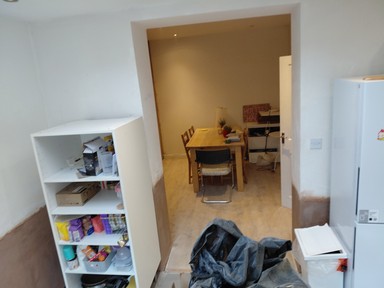 Tooting project photograph 20
Atruss Preservation provides damp investigation, rising damp treatment, DPC installation and remedial plastering for homes in Tooting and surrounding parts of South West London. Nearby streets and properties can have different wall types and ground conditions, so the right repair starts with checking the building.
The map shows Atruss Preservation’s Carshalton business address. Work is provided by appointment in Tooting SW17 and across nearby South West London areas. Google hosts the current customer reviews.
Damp proofing and property preservation specialists
42a Beeches Avenue07984 712 428
sales@atruss.co.uk
Open Google to see the latest customer feedback, business information and directions.
After investigating the likely moisture source, work may include removing defective render and salt-affected plaster, exposing the masonry, installing a suitable new DPC where justified, and reinstating the wall with compatible render and plaster.
Loose, hollow or contaminated finishes can prevent a sound repair. Exposing the brickwork allows the masonry to be inspected and prepared, and gives the specified DPC and replastering materials a suitable substrate.
No. A new DPC is appropriate only where investigation indicates it is needed. A bridged DPC, high ground levels, leaks or penetrating moisture may require different or additional work.
Allow the wall and plaster to dry in line with the materials used and site conditions. Avoid sealing fresh work with impermeable paint before it is ready.
Contact Atruss Preservation to discuss the symptoms and arrange an assessment.